The cheapest water there is
Fixing what leaks and counting what flows costs less than any new supply — and neither makes for good ribbon-cutting.
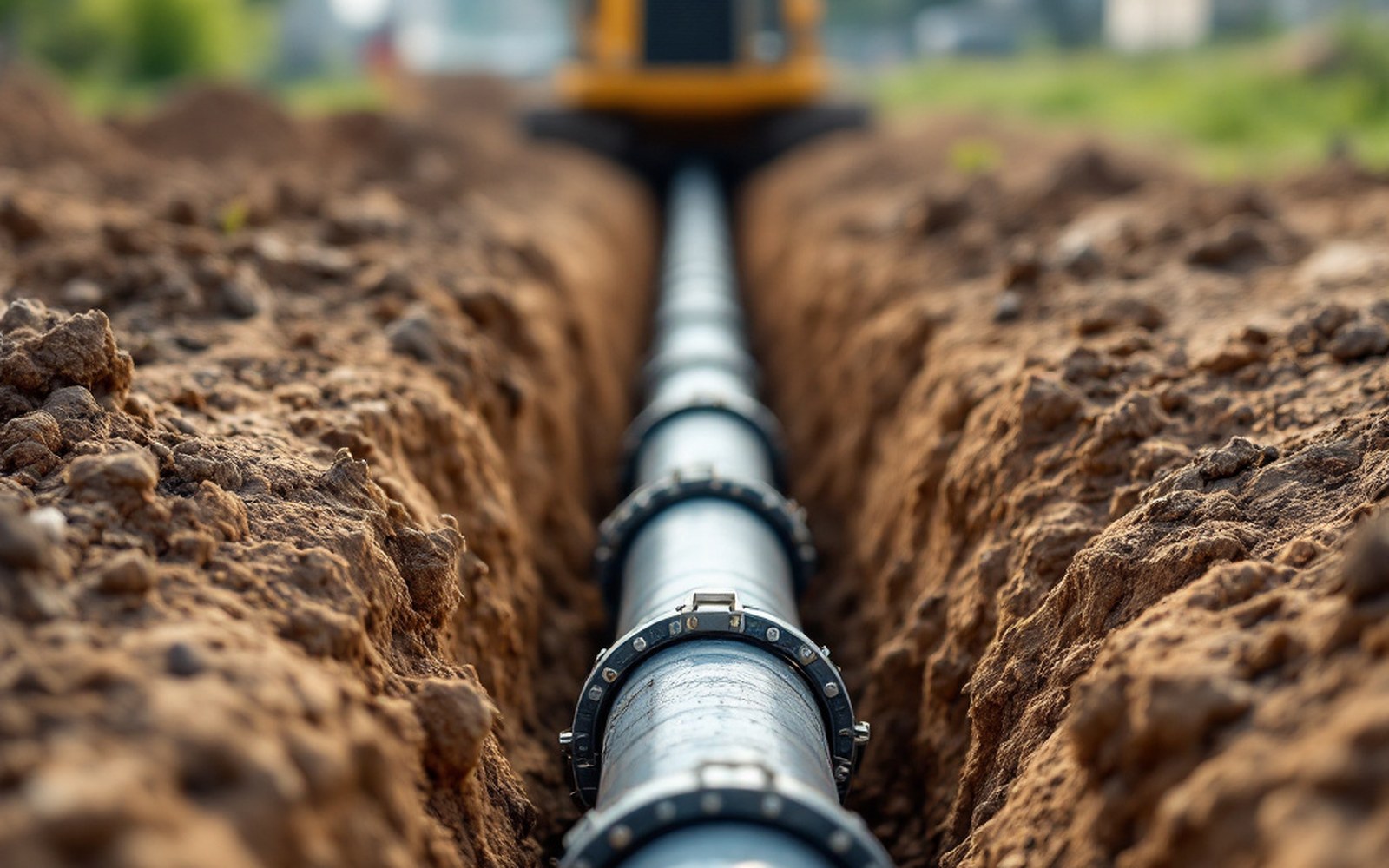
Between breaks, the slow seepage wastes more than the breaks do.
Where the water goes before anyone uses it
A water main laid in the 1960s loses water through corrosion, joint failure, and pressure differentials that nobody designed around. In an older city, those losses routinely run between 20 and 40 percent of the volume pumped. The water was treated, pressurised, and moved — and it never reached a tap. That is not an abstraction problem or an allocation dispute; it is a pipe problem, and pipe problems have a cost per cubic metre recovered that consistently undercuts desalination, reservoir expansion, and long-distance transfer.
The American Water Works Association estimates that water main breaks in the United States exceed 250,000 per year. Each break wastes water acutely; the slow seepage between breaks wastes more. The fix — systematic acoustic leak detection, pressure management, and targeted pipe replacement — typically recovers water at a capital cost well below what a new source of equivalent yield would require.
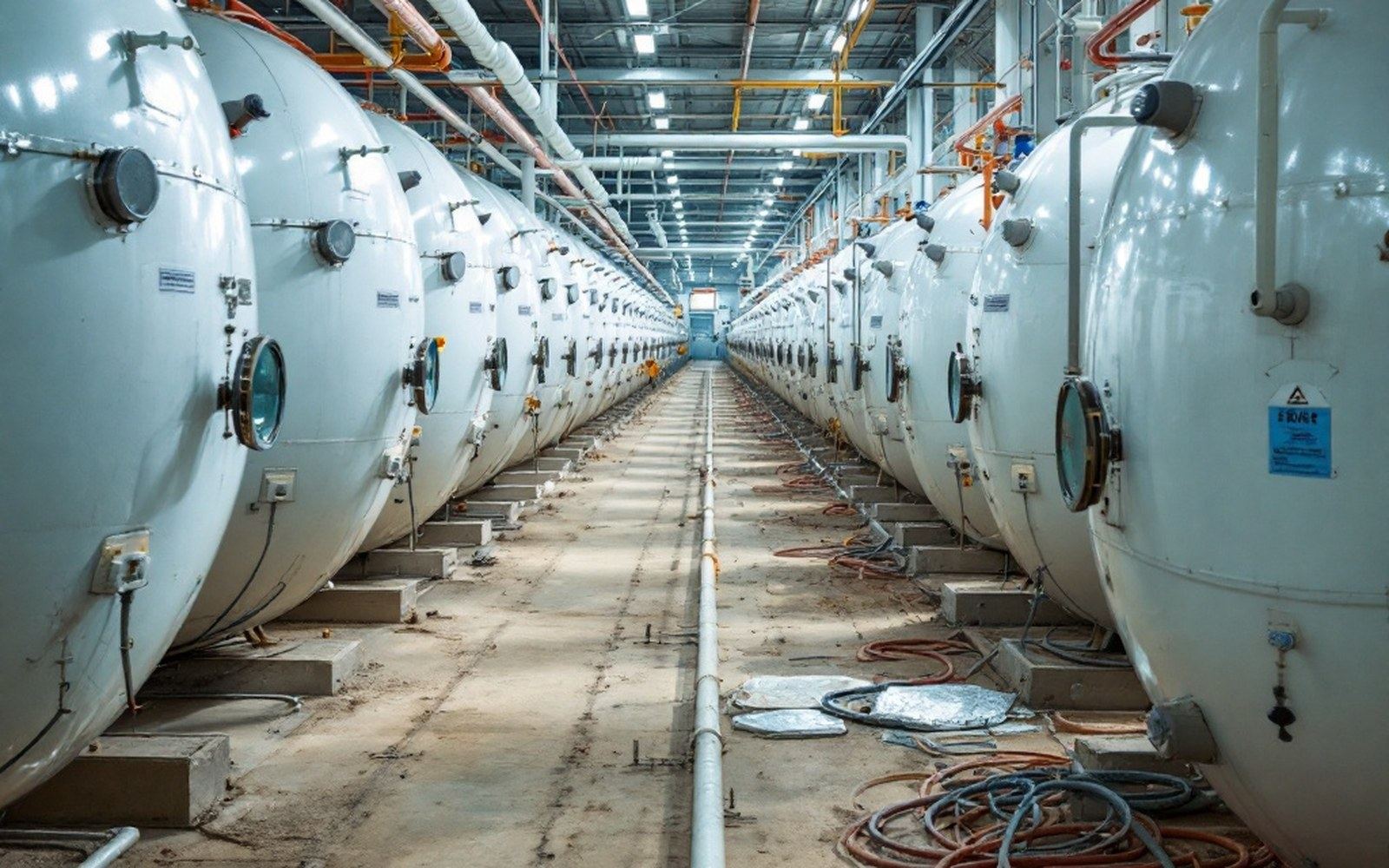
The comparison that decides it: cost per cubic metre recovered, against cost per cubic metre manufactured.
Metering works through a different mechanism. An unmetered household has no price signal tied to volume; consumption rises and the utility has no data to identify unusual draws that signal leaks on the customer's side of the connection. A 2016 analysis by the Pacific Institute found that California cities with full metering used measurably less water per capita than those without, controlling for climate and income. The meter does not save water by itself; it makes water countable, and what is countable can be managed.
Neither fix photographs well. A repaired section of ductile iron main looks like a trench; a metering programme looks like a spreadsheet. Infrastructure renewal does not have a completion date that justifies a ceremony, because the pipe network ages continuously. The Bureau of Reclamation funds large supply projects; the financing structure for systematic loss reduction is thinner and more fragmented, which is part of why the gap between known savings and realised savings persists.